
EFFIX 2026: from the first sale to building real companies
What Medellín's e-commerce fair left behind: applied AI, private brands, leaner operations and a generation of entrepreneurs that wants to grow.
At EFFIX 2026, Plaza Mayor once again brought together people who are just starting to sell online and business owners already facing a different challenge: turning their sales into sustainable companies. Among suppliers, carriers, tech platforms, agencies and content creators, the fair offered a view of how digital entrepreneurship is evolving in Colombia.
The sixth edition, held October 15–19 in Medellín, was more than a trade showcase. The organizers announced more than 350 companies and brands and more than 200 talks and workshops. Behind that program was an interesting signal: e-commerce today brings together people looking for their first business opportunity and companies already thinking about building a brand, improving margins and selling in other markets.
Finding a winning product is no longer enough
For years, one of the ways into e-commerce was to find a product, set up a store and learn to run ads. That path still exists, but the EFFIX agenda showed a broader conversation: how to stand out, drive repeat purchases, build community and move from a sales operation to a company with its own identity.
The titles of some talks summed it up well: Camilo Uribe spoke about going “from e-commerce to million-dollar brand”; David Costarrosa, about going “from dropshipper to entrepreneur”; and Alejandro Celis put repeat purchases on the table as a key driver of a store’s value. Different approaches that point to the same question: what is left of the business after the first sale?
The answer isn’t only about selling more. It’s also about getting customers to come back, building trust, having clear numbers and developing an operation that doesn’t permanently depend on finding the next trending product.
AI is starting to change day-to-day work
Artificial intelligence showed up across the program, but the most valuable part was its practical focus: creating content, automating funnels, handling conversations, analyzing campaigns and supporting tasks that used to take hours. The announced sessions included workshops on AI agents, business automation and WhatsApp sales.
For those just starting out, this lowers the barriers to entry: a small team can test ideas, launch campaigns and organize processes with tools that once seemed out of reach. Access to technology democratizes the chance to start a business; the challenge is learning to use it with judgment and not mistaking automation for a business strategy.
There was also an implicit warning in the very range of topics: not everything is solved with AI. The value proposition, knowing the customer and the ability to execute still make the difference.
The real challenge begins when orders start coming in
The fair didn’t revolve only around marketing. The program included conversations about logistics, cash on delivery, finance, retention, international expansion and how to run hundreds of orders without losing control. That range matters because selling is only the beginning of the operation.
A growing store has to answer questions that are less flashy but decisive: how much does it really cost to deliver each order? What share of customers come back? How much money is available after paying for ads, suppliers and returns? Can it reconcile what was sold with what was actually collected?
That is where a useful lesson appears, for new entrepreneurs and established brands alike: growth shouldn’t be measured by revenue alone. Profitability, cash flow and the ability to operate well are what make it sustainable.
Payments have to keep pace with commerce
As orders grow, so does the complexity of collecting, confirming each payment and closing the books. In that context, instant payments like Bre-B open an opportunity for small and large merchants to cut manual work and gain more visibility over their collections.
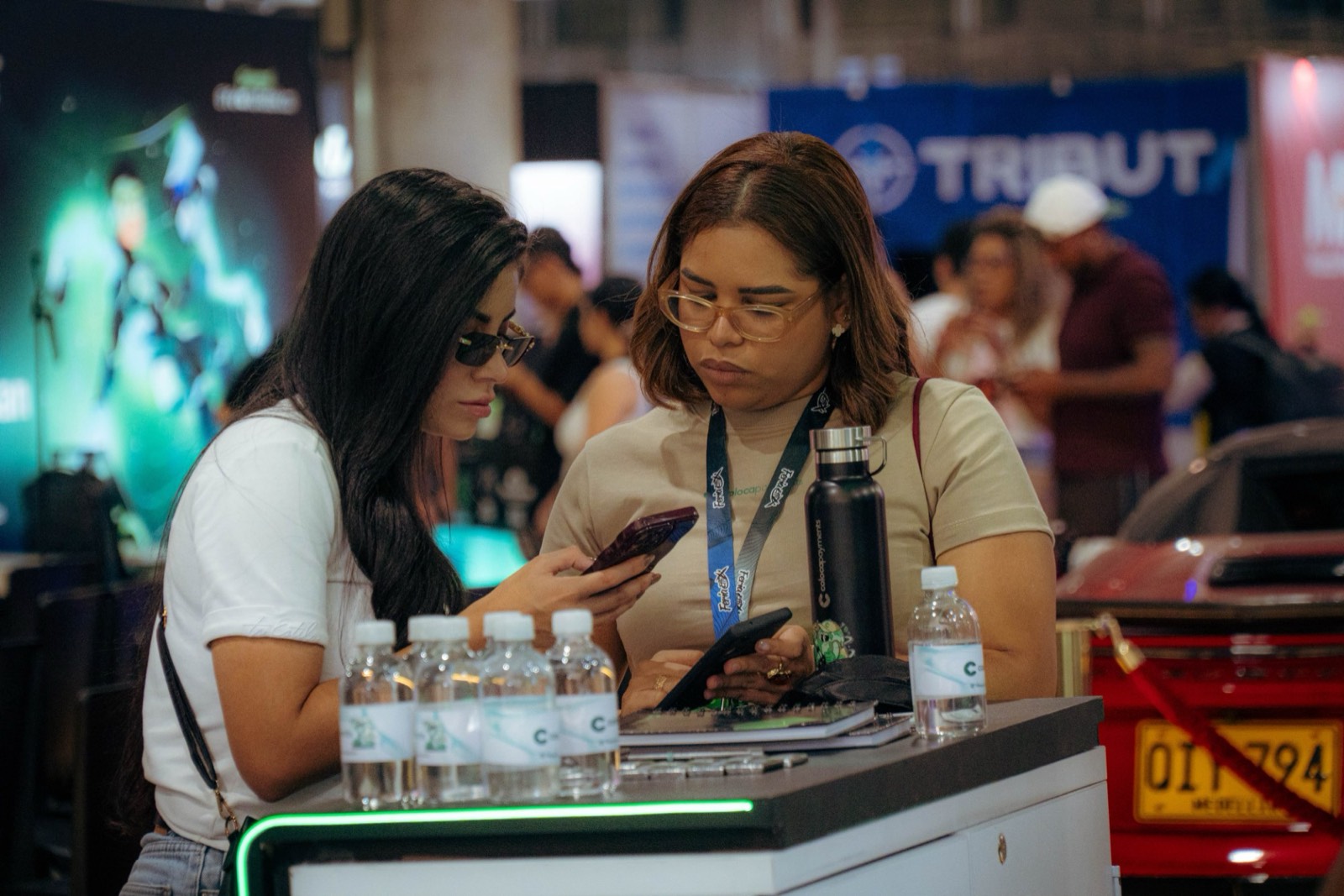
At Coloca we took part in EFFIX and presented our Bre-B payment gateway, focused on making collections, notifications and reconciliation easier for individuals and businesses. We also shared our vision of connecting these local payments to a financial infrastructure that makes it easier to operate across currencies and markets in Latin America. More than talking about technology, it was valuable to hear the everyday problems of the people who sell and run their businesses.
What we’re taking home from Medellín
EFFIX left an interesting snapshot of the ecosystem: entrepreneurs who are just starting out sharing space with brands that already sell at scale; AI tools that are increasingly accessible; and a business conversation that is starting to give operations and repeat purchases as much weight as customer acquisition.
The potential is huge, but so are the challenges: standing out, building trust, protecting cash and growing without losing control. If this edition left one clear idea, it is that Colombia doesn’t just need more stores selling online. It needs more entrepreneurs able to turn those first sales into lasting companies.
Selling online?
Collect with Bre-B and keep your collections, notifications and reconciliation in one place.